The Deutsche Gesellschaft für Internationale Zusammenarbeit (GIZ) is the main German development agency funded predominantly by various German ministries. As part of its large global portfolio, it addresses air pollution in South and Southeast Asia. GIZ’s work on air pollution focuses on capacity building, policy support, and the development and implementation of innovative solutions to reduce emissions.
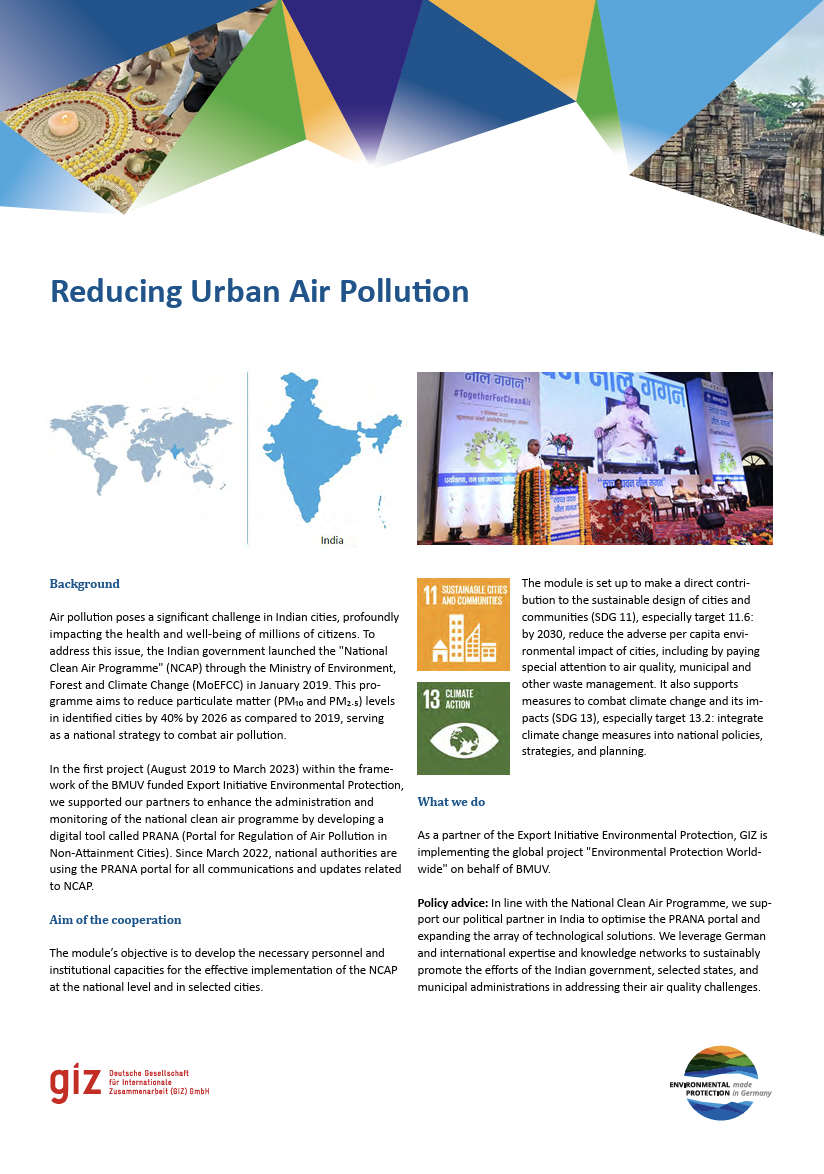
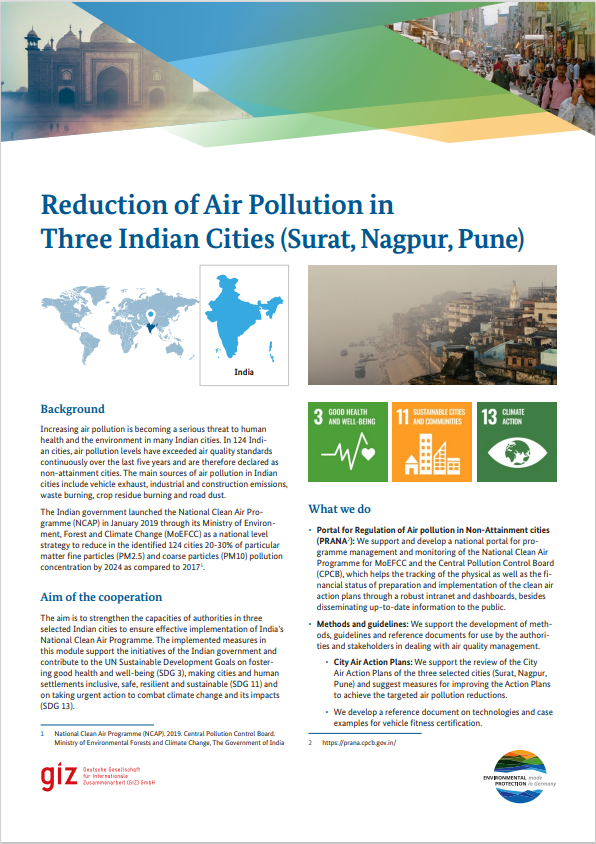
In India, GIZ supports the implementation of the National Clean Air Programme (NCAP) through its "Environmental Protection Worldwide" project. This initiative aims to reduce particulate matter levels in identified cities by 40% by 2026 compared to 2017. GIZ has developed a digital tool called PRANA, which facilitates the administration and monitoring of NCAP at the national and city levels. The PRANA portal has been used since March 2022 for all communications related to NCAP, enhancing the capacity of Indian authorities to manage air pollution effectively.
In Thailand, GIZ collaborates with local partners to tackle air pollution from agricultural burning. GIZ’s projects promote innovations like composting and biodegradable packaging from rice straw.
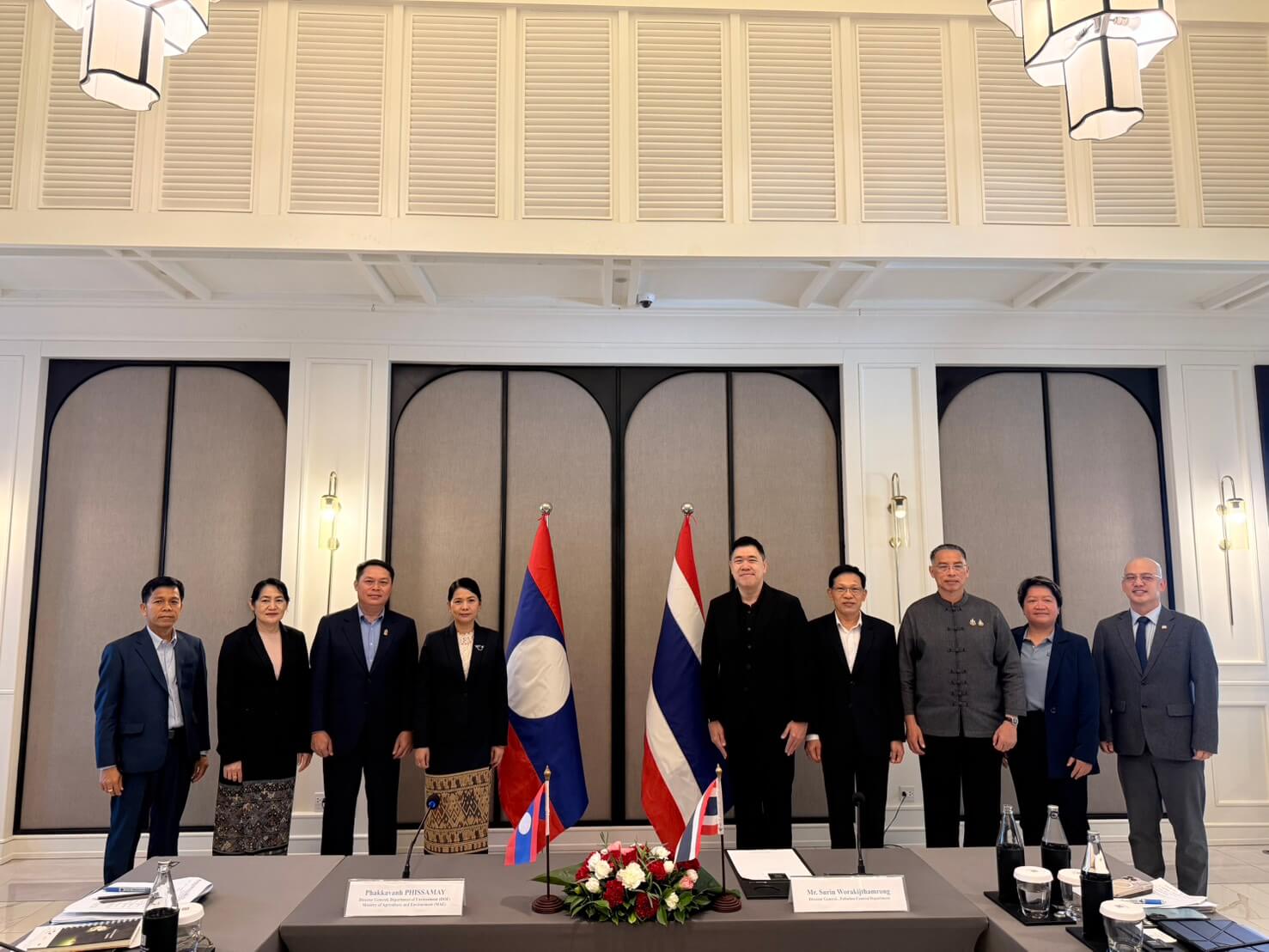
In the Mekong region, GIZ focuses on enhancing technical capacities for managing air pollutants, trialing measures to prevent biomass burning, and supporting regional coordination among countries like Thailand, Lao PDR, Cambodia, and Viet Nam. The project aims to reduce transboundary air pollution, which affects human health and the environment across the region.
Projects
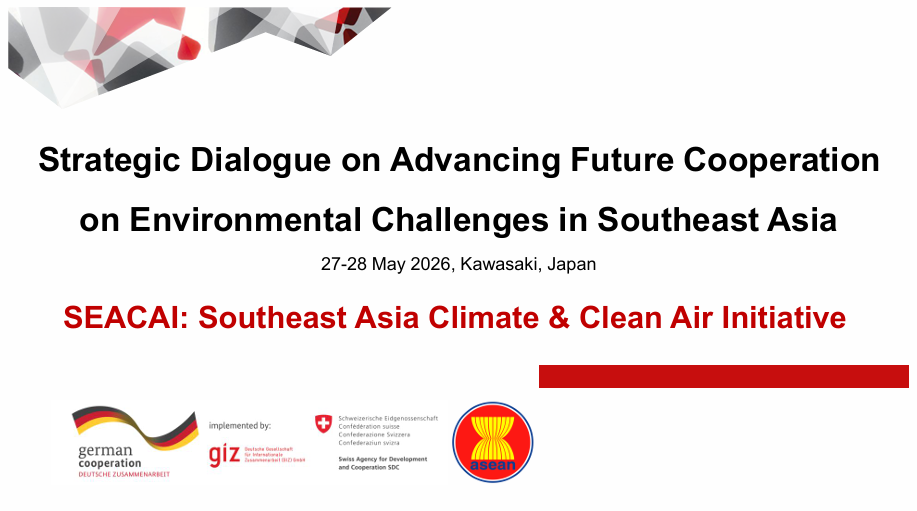
Title | Integrated approaches to climate protection and air quality improvement in Southeast Asia / Mekong riparian states (SEACAI: Southeast Asia Climate & Clean Air Initiative) |
Duration | 01/04/2025 - 31/03/2028 |
Partners | ASEAN Secretariat (ASEC), Implementation partners include Departments of Pollution Control in cooperating selected countries. |
Geographical Scope | Aisa-Pacific region |
Description | The project aims to improve the conditions for ASEAN-wide mitigation of Short-Lived Climate Pollutants (SLCP), with a special focus on the Greater Mekong Subregion (GMS). Approaches: |
Contact |
Title | South-East Asia Climate and Clean Air Initiative (SEACAI) |
Duration | 01/04/2025 - 31/03/2028 |
Partners | GIZ, BMZ, SDC, IRD |
Geographical Scope | South-East Asia |
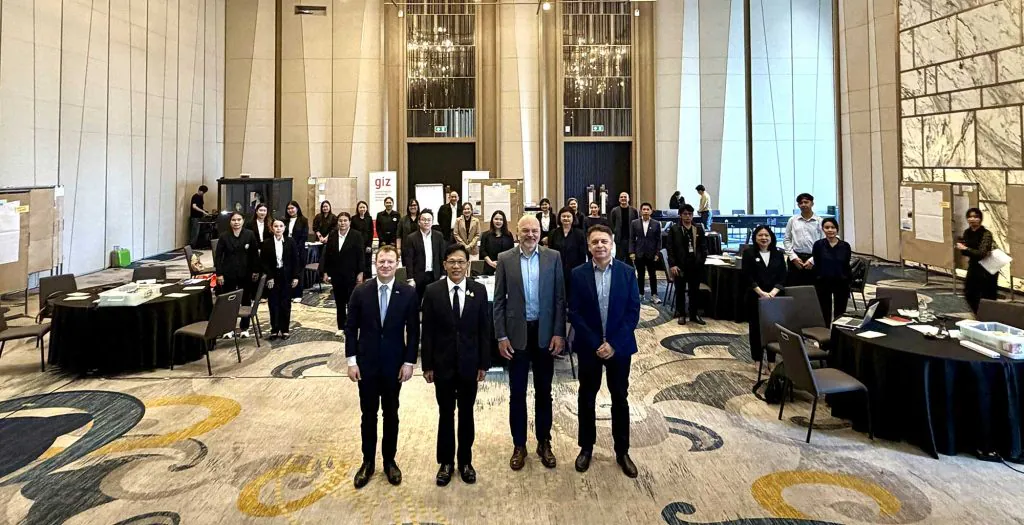
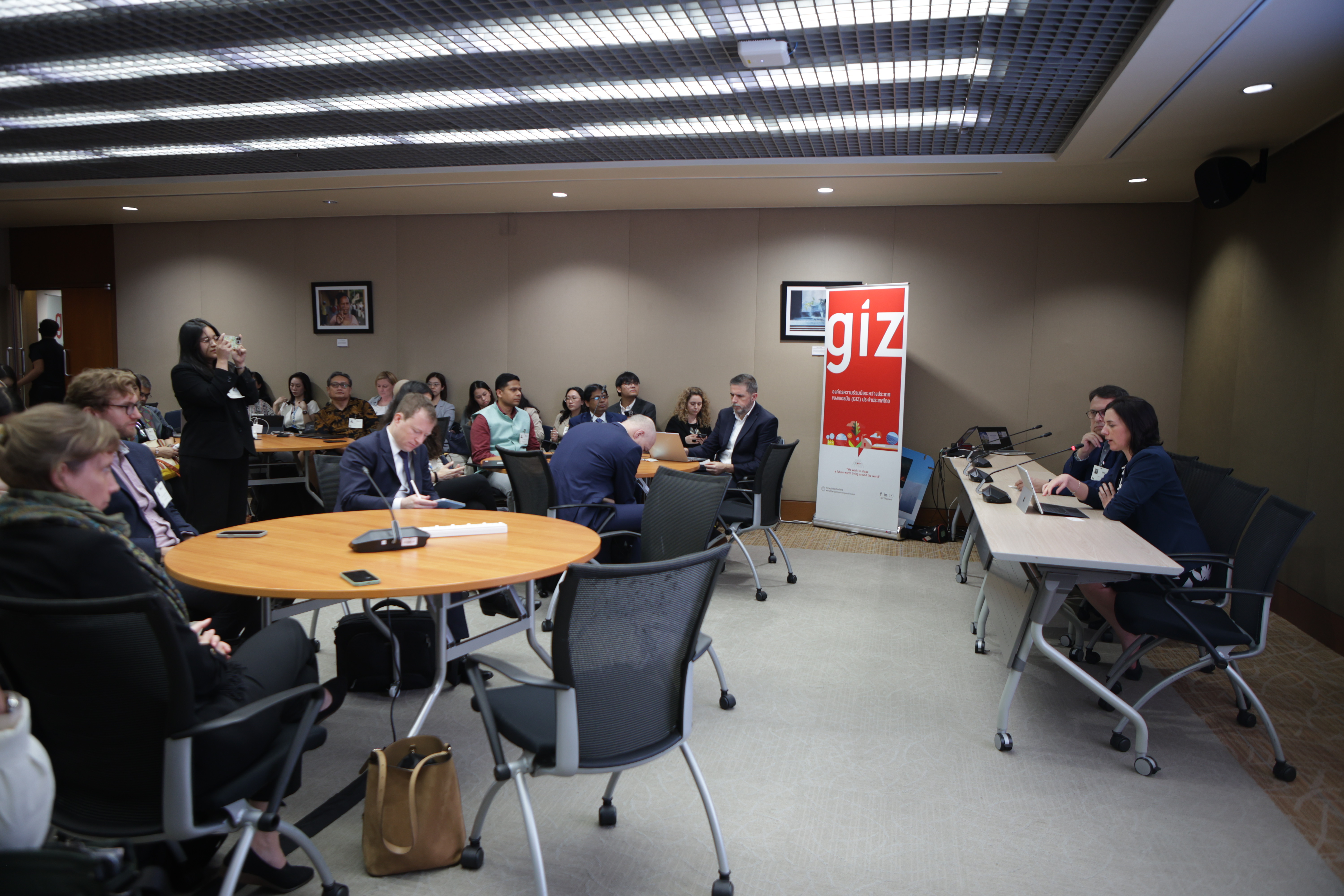
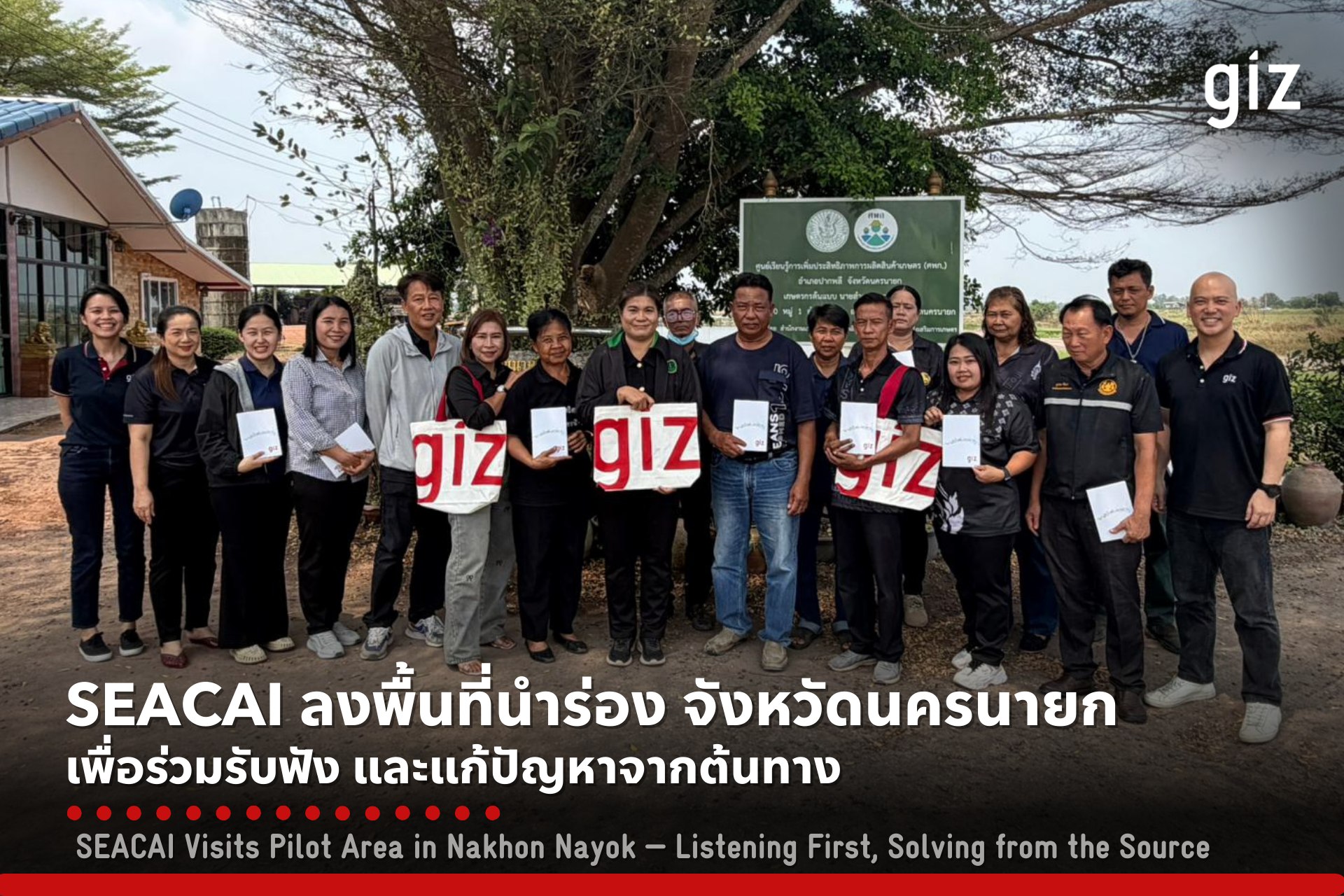
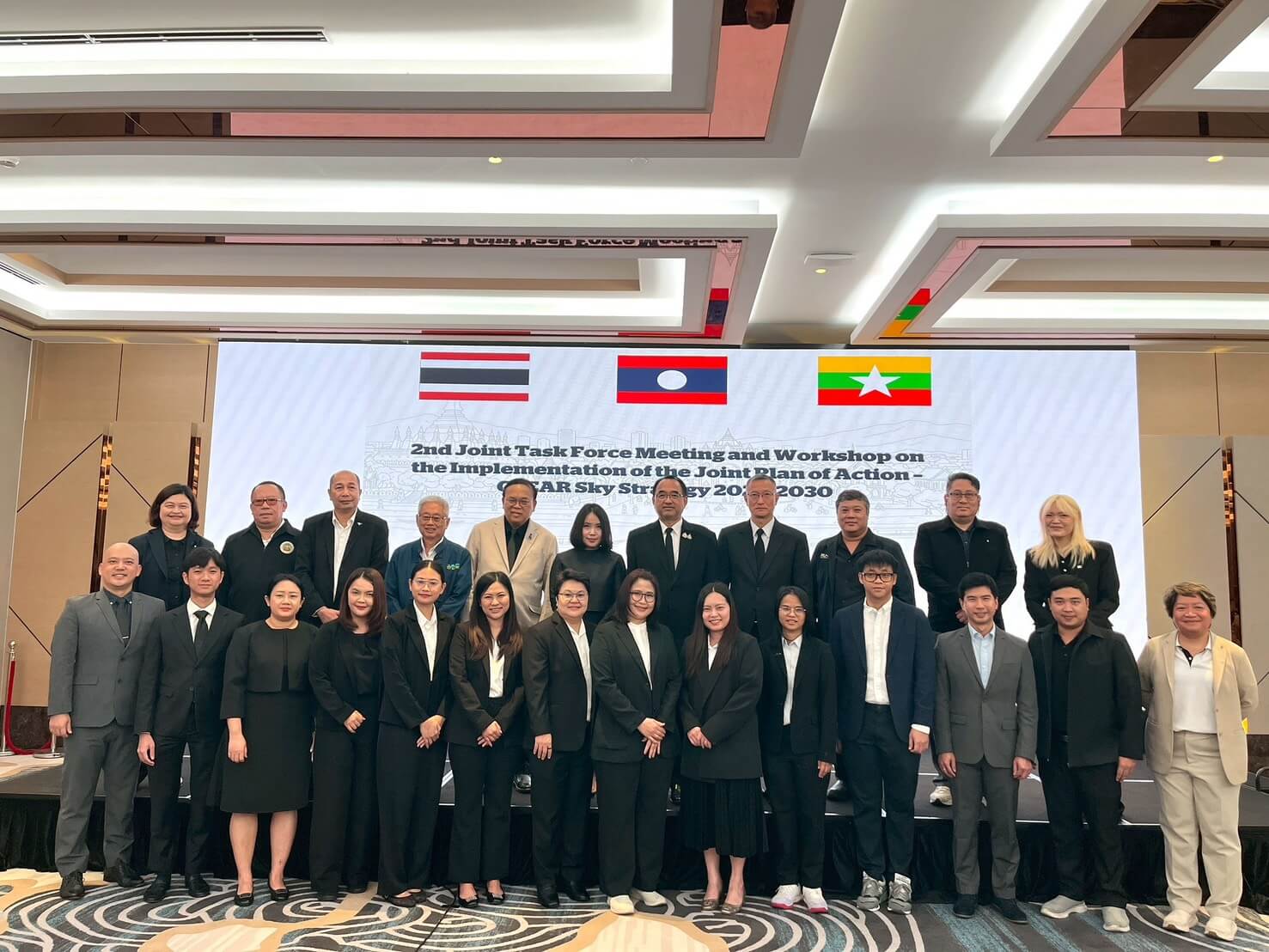
Description | The "South-East Asia Climate and Clean Air Initiative" (SEACAI) aims to reduce the emissions of Short-Lived Climate Pollutants (SLCPs) in the ASEAN region to protect human health, climate and biodiversity by catalyzing innovative, scalable and locally tested solutions and by strengthening political frameworks, transboundary collaboration and awareness, with a special focus on the Lower Mekong Subregion. As “team Europe”, Germany, Switzerland and France joined forces and formed SEACAI to tackle sources of air pollution and global warming in Southeast Asia together. SEACAI supports the implementation of the ASEAN Haze-Free Roadmap (AHFR) under the ASEAN Agreement on Transboundary Haze Pollution (AATHP), focusing on Strategy 2 (sub-regional strategies) and Strategy 5 (multi-stakeholder resource mobilisation). It also aligns with the ASEAN Investment Framework for Haze-Free Sustainable Land Management (AIF-HFSLM), promoting sustainable practices in agriculture and forestry. ASEAN is the political partner of SEACAI, with the Technical Working Group on Transboundary Haze Pollution in the Mekong Sub-region (TWG Mekong) as the main counterpart. The TWG Mekong ensures coordination with national plans like Chiang Rai plan of action and the CLEAR Sky Strategy. SEACAI works on three layers. On the ASEAN-wide level, it supports the ASEAN Haze-Free Roadmap by improving access to climate finance and strengthening ASEAN working groups on SLCP reduction, knowledge sharing, and technical solutions. It will explore possibilities to supporting the establishment of the new ASEAN Haze Centre. In the Lower Mekong, the project promotes cooperation among Thailand, Laos, Cambodia and Vietnam through roundtables, capacity building, and knowledge platforms. Nationally, SEACAI will implement 8–10 innovative solutions in Cambodia, Laos, and Thailand, focusing on agriculture, forestry, and waste. Lessons learned will inform national and regional strategies, supported by awareness campaigns and engagement with ASEAN and partners. |
Contact |