Name | Scope | Year | Description |
Integrated Air Quality Improvement Framework - Air Quality Control Action Plan | Nationwide | 2000 | This framework, established under the Philippine Clean Air Act of 1999, serves as the official blueprint for managing air quality. It prescribes emission reduction goals, control strategies, and measures to achieve and maintain ambient air quality standards. The plan emphasizes public participation, local government involvement, and multi-sectoral collaboration to foster a sustainable and healthful environment. |
Nationwide | 2000 | The National Air Quality Control Action Plan is part of the Integrated Air Quality Improvement Framework, aiming to reduce air pollution through enforceable emission limits, monitoring systems, and public participation. It includes strategies for achieving ambient air quality standards and involves local government units in implementing control measures. The plan focuses on managing emissions from mobile, stationary, and area sources to improve public health and environmental quality. | |
Bantay Tambutso Campaign | Regional or City-focused, Bantay | 2005 | Conducts random vehicle emission testing, enforces compliance with air pollution regulations. |
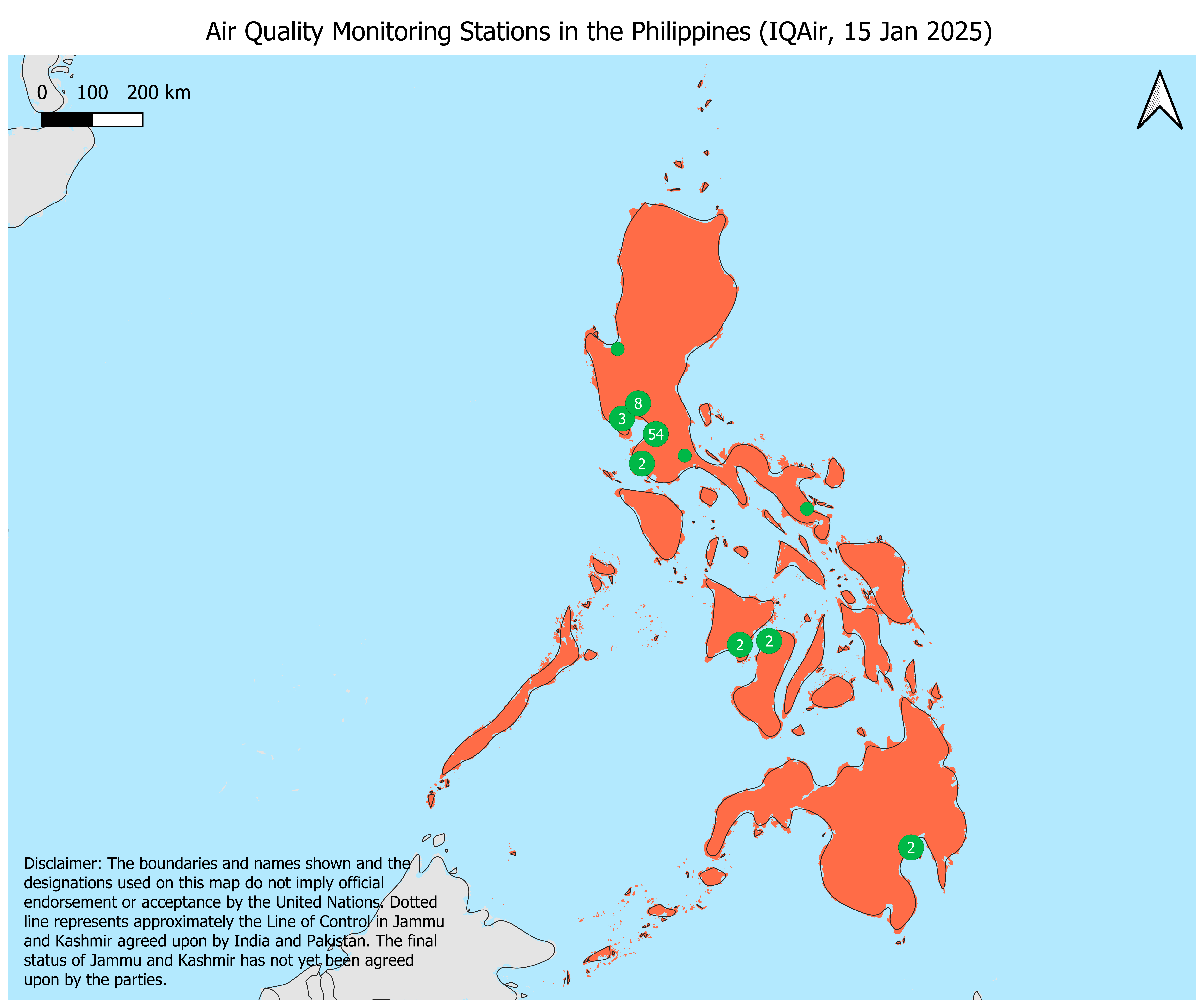
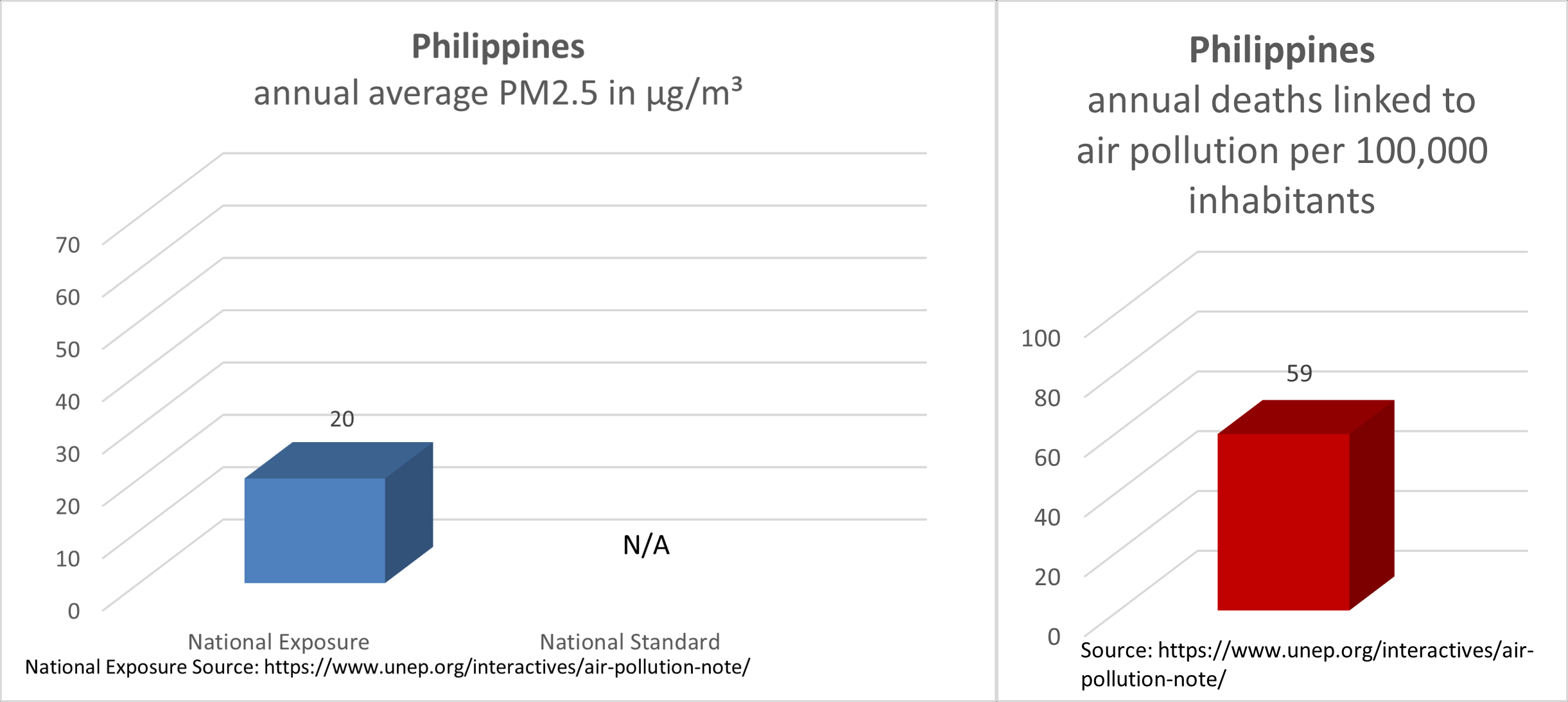
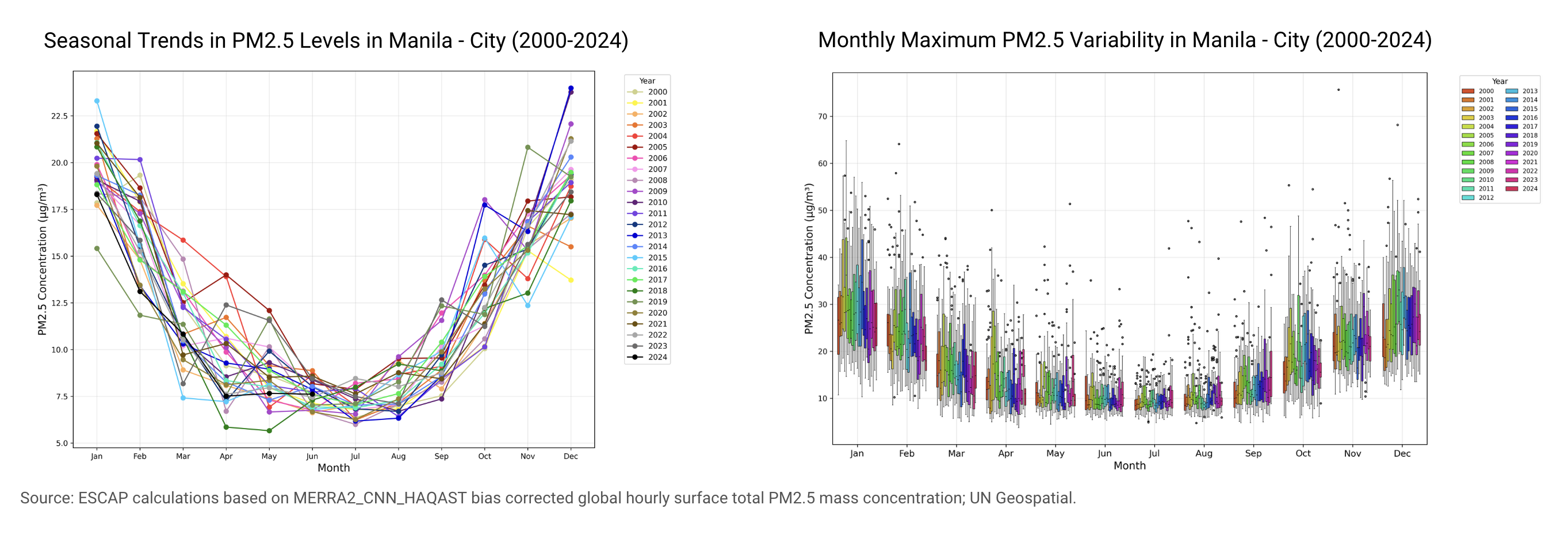
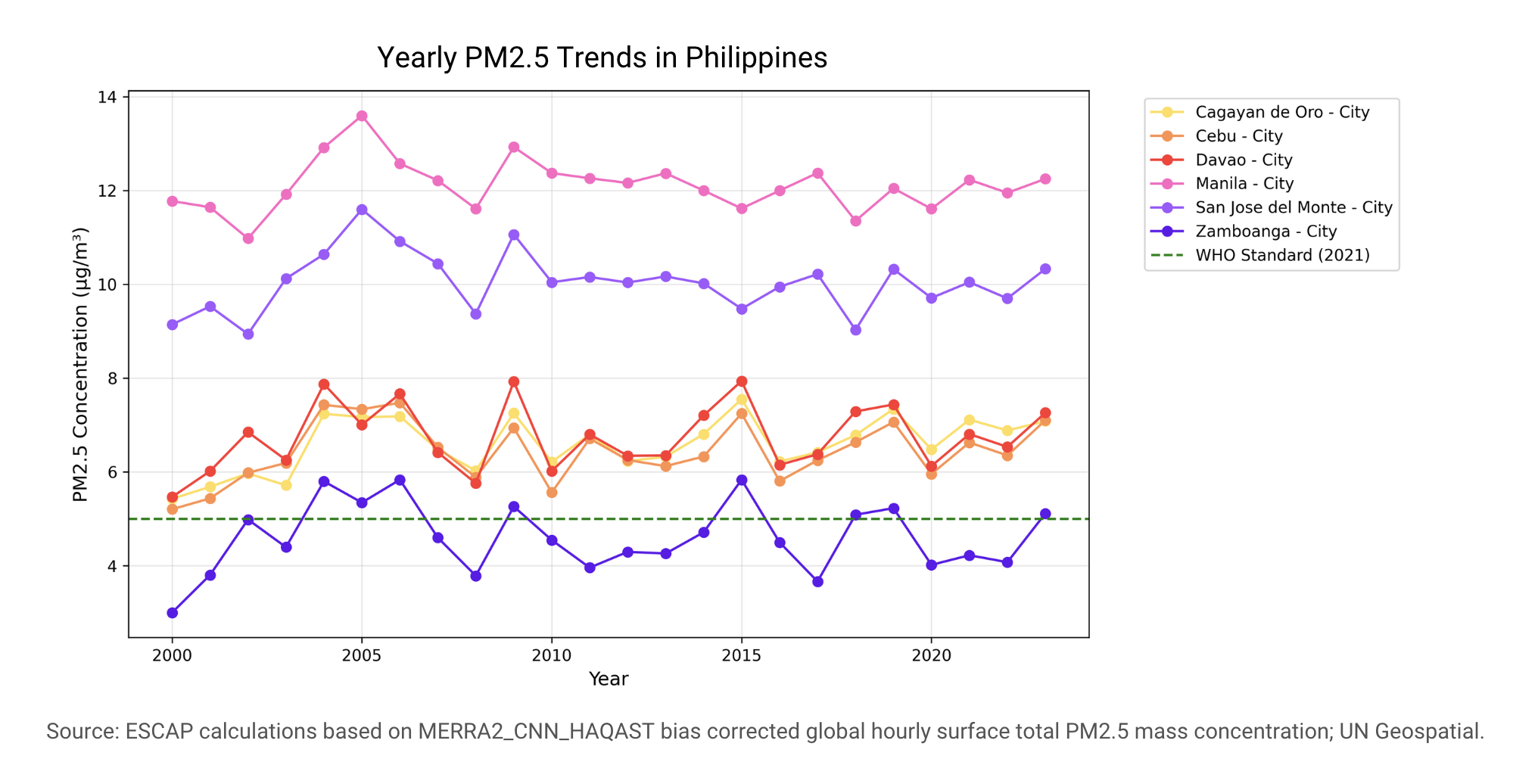
Air pollution in the Philippines is a growing national concern, ranking as the third highest risk factor for adverse health outcomes. The country experiences high PM2.5-related mortality rates, exceeding the global urban average, with Metro Manila being a major pollution hotspot. The country’s annual mean PM2.5 exposure is 20.3 µg/m³, which is 4.1 times the WHO guideline of 5 µg/m³. In 2024, 43,000 deaths were linked to air pollution, 59 per 100,000 people, with stroke (12%), ischemic heart disease (11%), and chronic obstructive pulmonary disease (11%) being the leading causes. The economic cost of air pollution reached USD 44.8 billion in 2019, nearly 12% of the country’s GDP.
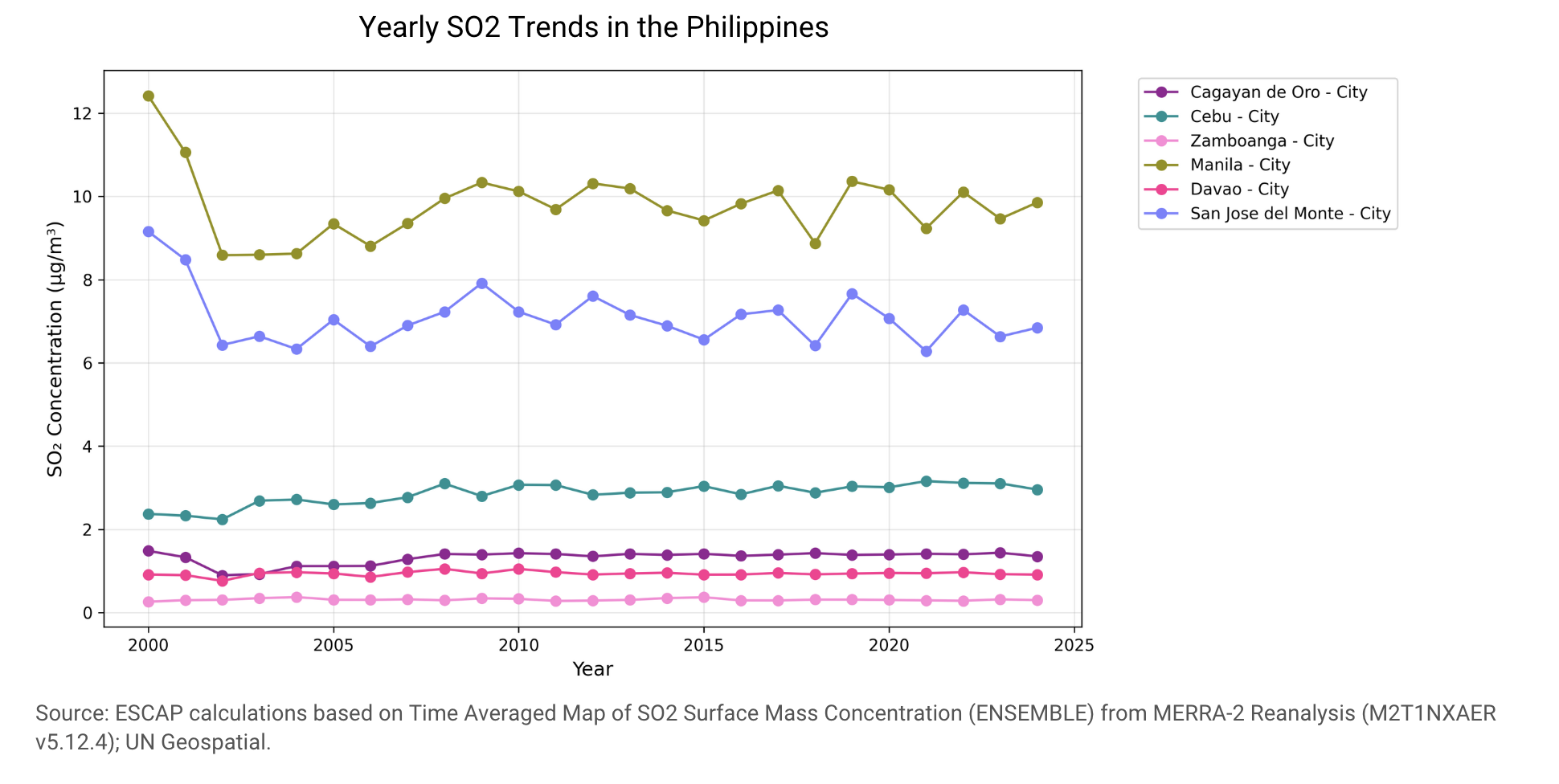
The Philippine Clean Air Act (Republic Act 8749, 1999) is the country’s most comprehensive air quality legislation, setting national ambient air quality standards and regulating emissions. Initiatives such as the Bantay Tambutso campaign, which enforces vehicular emission standards, and the Linis Hangin (Clean Air) program focus on public awareness and emission testing. Additionally, the Climate Change Act of 2009 (Republic Act 9729) created the Climate Change Commission, which oversees mitigation strategies. Other key policies include the National Renewable Energy Program (NREP), aiming to triple renewable energy use by 2030, and the People’s Survival Fund, which supports climate change mitigation projects. These efforts reflect the Philippines’ commitment to both air quality improvement and long-term climate resilience, though sustained implementation and stricter enforcement remain crucial for achieving lasting improvements.